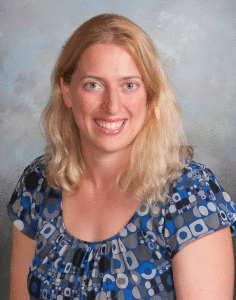
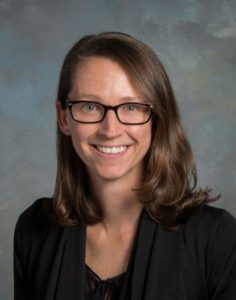
Professor of Psychological Science Miriam Liss
Professor of Psychological Science Miriam Liss was recently interviewed by a reporter for Gizmodo in an article entitled, “Why is Social Media So Addictive?”
Social media is so addictive because it plays on one of the most fundamental aspects of what it means to be human—our need for social connection with others. We post and wait for other people to like or comment on our posts. We like and comment on other people’s posts as an act of social reciprocity, and it feels as though we are connecting to others.
The rewards are intermittent and unpredictable—we never know when we log on whether we have gotten more likes, comments, or followers. It is well known that intermittent and unpredictable rewards are the most addictive—think about slot machines. The anticipation while the app loads heightens the excitement and addictive nature. Features like streaks in Snapchat play on our desire not to let other people down (and break a streak) as well as the idea that the more time and investment we have put into something (known as sunk costs) the more investment we have in keeping it going.
Interestingly, our desire for social rewards can make us act in ways that undermine the value of those rewards. We often present only the partial truth about ourselves and manipulate our stories or photos in order to make ourselves look better to increase our likes and positive comments. When we do that, however, the likes and positive feedback can seem hollow and make us feel bad. I recently published a study with my colleague and students that linked photo manipulation on Instagram to feelings of depression through a sense that one was being disingenuous about what was posted.
 Premiere Performance of the UMW Chamber Orchestra, featuring Nadja Salerno-Sonnenberg, Director
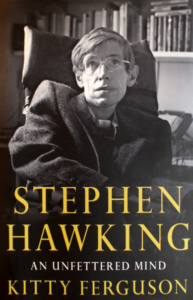 The 17th season of the William B. Crawley Great Lives Lecture Series continues on Tuesday, Feb. 18, with a look at the brilliant and enigmatic scientist and disability icon Stephen Hawking, with biographer Kitty Ferguson. This series is open to the public free of charge and no admission tickets are required. Programs begin at 7:30 p.m. in Dodd Auditorium in George Washington Hall. Each lecture concludes with an audience Q&A session with the speaker and a book-signing. The Dovetail Cultural Resources Group Lecture.
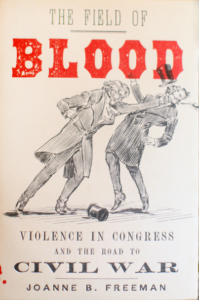 The Great Lives series will continue on Thursday, Feb. 20, with American Duelists, presented by author Joanne Freeman. The Hirschler Lecture.

 Put on your walking shoes and join the President’s Council on Wellness (PCOW), in collaboration with UMW Athletics and the Center for Prevention & Education, and show your support for Yeardley Love during our Walking Wednesday on February 19th at 12:30pm in front of Lee Hall. We will be walking for about 30-45 minutes in memory of Yeardley, who was a college lacrosse student at UVA, and was a victim of domestic violence. Please come out and support UMW Athletics “Yards for Yeardley” initiative and win some OneLove swag and UMW gear that will be raffled off during the walk. For more information, please check out our Facebook event at