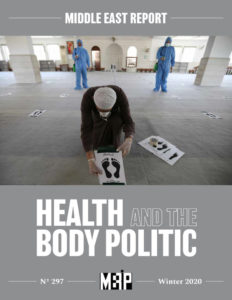
 In December 2020, Middle East Report [MERIP] Issue #297, “Health and the Body Politic,” was officially published. UMW Associate Professor of Middle Eastern History Nabil Al-Tikriti joined the team of developers and editors who invited contributors and edited content for the issue, available online here: https://merip.org/magazine/297/.
The Issue Development Team (IDT) consisted of Profs. Omar Dewachi of Rutgers, Nabil Al-Tikriti, Kevan Harris of UCLA, and Assistant Dean Graham Cornwell of George Washington University. Michelle Woodward is MERIP’s Managing Editor.
Press Release: “Health and health care have become increasingly ungoverned over the past few decades, in tandem with a broader breakdown of the body politic. Health care workers are finding it increasingly difficult to work in settings of violent conflict and insecurity, rapidly declining health care systems, pervasive corruption and widespread economic mismanagement—all amidst the waning capacity of states to improve the health and wellbeing of their populace. While the Middle East region trains a lot of doctors, few end up staying. The winter issue of Middle East Report explores the interactions of the body politic with health and medicine and examines the entanglements of physical bodies in the institutional and political processes that govern them. The articles in this issue explore a range of different landscapes and ecologies of politics and health care, bringing the questions and problems of health and illness into the analysis of geopolitics and political economy.”
In addition to participating on the IDT, Al-Tikriti also joined Omar Dewachi in an interview of Dr. Ghassan Abu Sittah, a prominent activist and doctor who has worked for over 25 years in conflict medicine throughout the Middle East and Europe, much of it with MSF/Doctors without Borders.
Other contributions to the issue included: Mac Skelton, “The Long Shadow of Iraq’s Cancer Epidemic and COVID-19,” Nihal Kayali, “Syrian Refugees Navigate Turkey’s Shifting Health Care Terrain,” Jennifer Derr, “Hepatitis C, COVID-19 and the Egyptian Regime’s Approach to Health Care,” Osama Tanous, “The Dilemmas of Practicing Humanitarian Medicine in Gaza,” Nora Chalati, “Illness as Metaphor and Reality in Syria,” and Aula Abbara, “COVID-19 Exposes Weaknesses in Syria’s Fragmented and War-Torn Health System.”
Middle East Report is published by the Middle East Research and Information Project (MERIP), a progressive, independent organization. Since 1971 MERIP has provided critical analysis of the Middle East, focusing on political economy, popular struggles and the implications of U.S. foreign policy for the region.
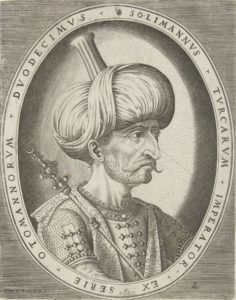
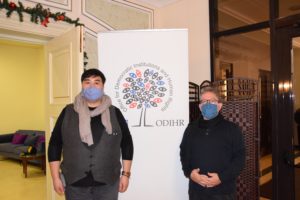

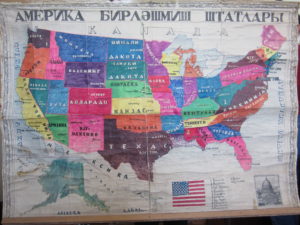 On Tuesday, May 12, 2020, Middle East History Professor Nabil Al-Tikriti presented a talk entitled “Engaging with Higher Education in Azerbaijan,” invited and hosted by Drexel University’s Global Education Curriculum. This talk was shaped by Prof. Al-Tikriti’s experiences as a Fulbright Scholar in Baku, Azerbaijan in academic year 2018-2019. In this presentation, he addressed points concerning American preconceptions of post-Soviet societies, Caucasus politics, and challenges of Higher Education in Azerbaijan. He wishes to thank Drexel University Professors Joyce Pittman and Kristy Kelly.
 But one UMW faculty member saw it as an opportunity.
 Associate Professor of Middle East History Nabil Al-Tikriti joined a roundtable entitled “